The Most Common Reasons Learners Fail Their Driving Test
The faults that most often lead to a fail, what they look like in practice, and how to work on them.
DVSA publishes the most common reasons for failing the car driving test. The list has been fairly consistent for years, and most faults relate to observation and judgement rather than car control.
Source: GOV.UK: top 10 reasons for failing the driving test. Check it for the latest list.
Faults that regularly appear on DVSA's list
Observation at junctions
Not looking properly, or pulling out when it isn't safe. Slow down enough on approach to look fully in each direction.
Mirrors when changing direction
Not checking mirrors before turning, changing lanes or pulling out. Use the mirror–signal–manoeuvre routine every time.
Control of steering
Steering too early, too late or erratically, including mounting kerbs. Look where you want to go and steer smoothly.
Turning right at junctions
Poor positioning or cutting corners. Practise positioning and judging gaps in oncoming traffic.
Moving off safely
Pulling away without proper checks, including the blind spot. Check all round before moving off.
Response to traffic lights and signs
Not reacting correctly to signals, signs or road markings. Scan ahead and plan early.
Positioning
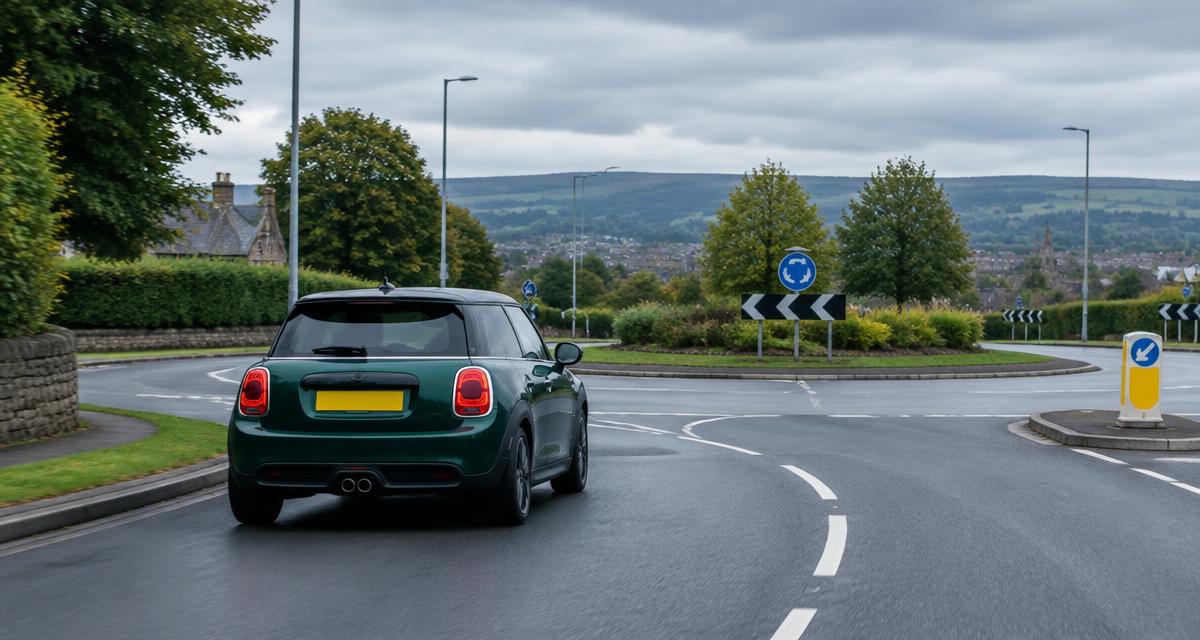
Driving too close to the kerb or centre line, or in the wrong lane. Plan lane choice early on multi-lane roads and roundabouts.
How to work on them
- Ask your instructor for a mock test and review faults afterwards.
- Pick one fault to focus on per lesson.
- Practise on junctions and roundabouts near your local test centre.
Related: how many mistakes are you allowed? · find a driving instructor
This guide gives general advice. Always check the latest GOV.UK/DVSA guidance for current rules and requirements.
Find a driving instructor near you
Find My Instructor